

Estimated reading time: 8 minutes
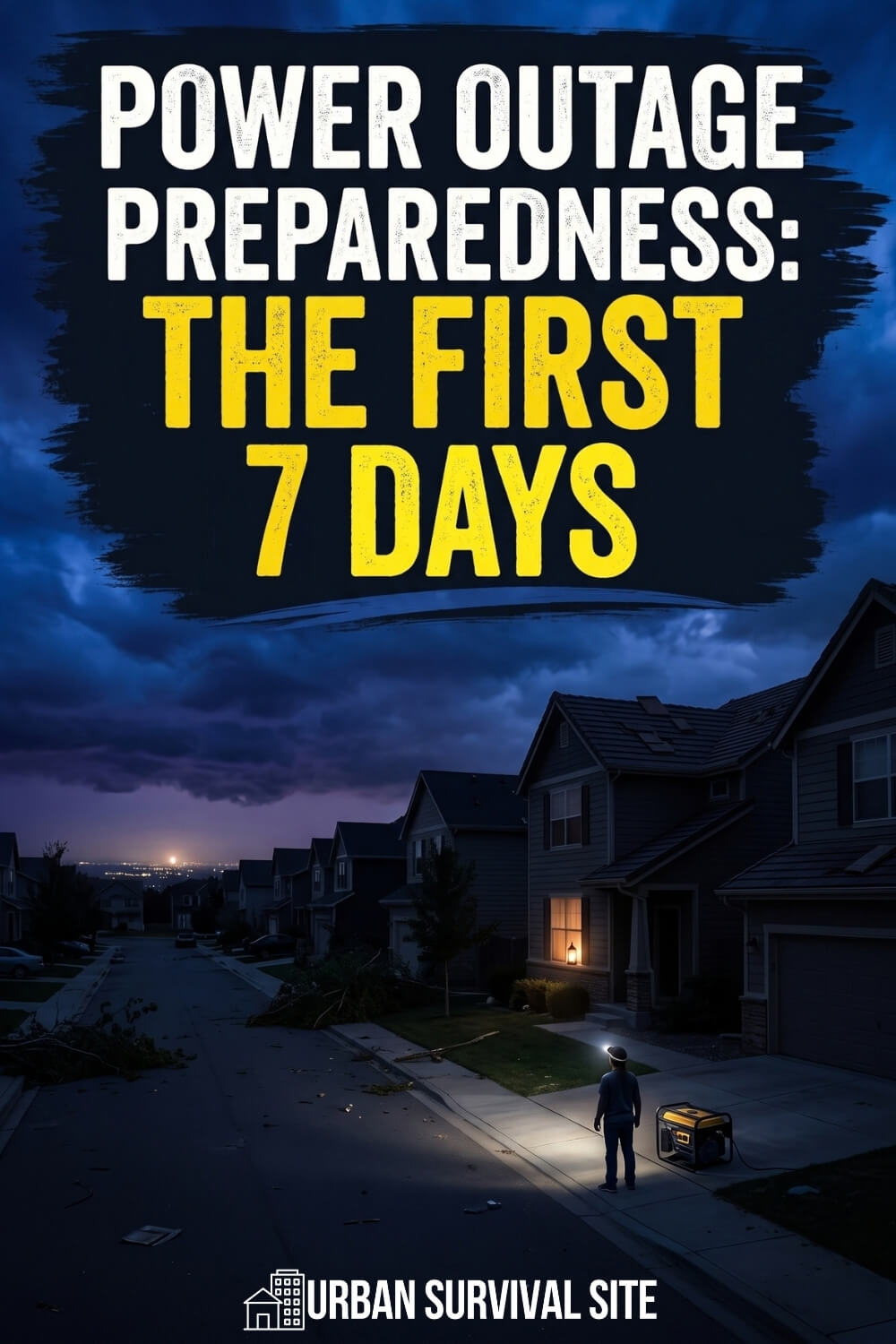
Summers keep setting new heat records, massive data centers are using ungodly amounts of electricity, and most of the U.S. power grid runs on equipment that hasn't been upgraded in decades. Put those together and it's easy to picture a future where rolling blackouts are a regular part of life in America, the way they already are in many developing countries.
That might sound far-fetched, but for millions of people around the world, unreliable power is simply normal. In parts of South Africa, India, Pakistan, Lebanon, and elsewhere, families plan their days around when the electricity is expected to be on. They get by, but only because they've learned certain skills and keep certain supplies on hand. Most Americans have never had to do either.
I recently came across a YouTube channel called Sketchocalypse. They make really good sketch-style videos about emergency preparedness, and they're aimed at beginners. This video covers how to get through the first seven days of a total blackout. If you're new to prepping, it's a good place to start. You can watch it and read the outline below.
Day 1: The Denial Phase
On the first day, most people assume power will be back in a few hours. That's a dangerous assumption. A total blackout doesn't just turn off your lights. Water pumps, sewage systems, gas stations, and refrigeration can all stop working. The problems don't show up right away, but they're already building.
Fill Every Container You Have With Water
Stop worrying and start moving. Fill your bathtub, pots, buckets, pitchers, and anything else that holds liquid. Once pumping stations lose power, municipal water pressure can drop within hours, and after that your faucets won't do much.
Even if water keeps trickling out for a while, don't trust it after the first day or two. Water sitting still in the pipes can grow bacteria quickly. Boil it before you use it for anything, including coffee and brushing your teeth.
Take Stock of Your Food
At this point, food is about calories and energy, not enjoyment. Eat the perishable stuff first: dairy, meat, and fresh produce. Cook it while it's still safe. A gas stove will often still work if you light it manually. Outdoors, you can use a charcoal grill or a backyard fire. Never use a grill indoors.
After the fridge is empty, you'll be relying on canned goods, dried pasta, rice, and beans. Ration them. Stress burns more energy than you'd think, and a week lasts a long time when you're hungry.
Handle Lighting Carefully
Candles cause a lot of house fires, especially if someone falls asleep with one burning. Use flashlights and lanterns instead, and use them sparingly, because batteries will be hard to replace. A hand-crank flashlight is a smart thing to have. The video also shows that you can make a basic one from a small DC motor salvaged from an old toy, a handle, and an LED.
Don't Advertise That You're Prepared
This is one of the most important points in the video. If your house is the only one on the street with lights on or music playing, people will notice, and some of them may come looking for what you have. Keep things dim and quiet after dark.
Day 2: The Realization Phase
By the second day, people start to understand how serious this is. The toilets won't flush, things begin to smell, and your phone is basically useless. The neighborhood is quieter, but it doesn't feel peaceful.
Set Up Sanitation
Poor sanitation is how people end up sick with the kinds of diseases most of us only read about in history books. Without running water, you need a plan for human waste.
If you have a yard, dig a latrine at least 2 feet deep and about 200 feet from any water source, and cover the waste with dirt after every use. If you live in an apartment or don't have much space, a 5-gallon bucket lined with heavy trash bags and some kitty litter or sawdust works as a temporary toilet.
If you run out of toilet paper, you can use cloth, newspaper, or leaves (as long as you can identify them). Hand washing matters more than anything else here. Wood ash is alkaline and can help you scrub in a pinch, but it's much easier to stock up on bar soap and hand sanitizer ahead of time.
Find More Water
Your stored water will probably start running low around now. Rainwater is your best option, so set out tarps, trash bags, or anything else that can catch it and funnel it into containers. Run it through a homemade filter made of layered sand, gravel, and charcoal to remove debris, then boil it.
If it isn't raining, the video explains how to build a solar still. You dig a hole, put a container in the middle, stretch plastic sheeting over the top, and set a small rock in the center so the plastic dips down. The sun draws moisture out of the soil, it condenses on the plastic, and it drips into the container. It only produces a small amount of water, so treat it as a backup and not your main source.
You can also collect water from streams, ponds, or even puddles. Assume all of it is contaminated. Filter it and boil it every time.
Stay Warm
In winter, a house with no power gets cold fast. Choose one small room and make it your living space. Hang blankets over the windows, push towels against the gaps under the doors, and layer your clothes and bedding.
There's something important I should point out. The video talks about burning fires indoors, but you have to be extremely careful about the danger of carbon monoxide poisoning. Only use heaters that are specifically rated for indoor use, such as certain portable propane heaters, and keep a battery-powered carbon monoxide detector running.
Staying warm isn't only about comfort. Once you get too cold, your judgment slips, and bad decisions made in the cold can have serious consequences.
Days 3 to 5: The Chaos Phase
This is when things get unpredictable. Stores may have been cleaned out or looted. Some neighborhoods will organize and help each other, and others won't. You'll hear plenty of rumors about when the power is coming back or when help is on the way, and most of them won't be reliable.
Tighten Up Your Security
Keep your doors locked and your windows covered. The goal is to make your home look empty and uninteresting, because a house that looks well stocked is much more likely to be targeted.
Set up simple early-warning alarms, like cans strung along a line or gravel spread under your windows, so you'll hear if someone approaches. If there are several people in your household, take turns sleeping so someone is always awake.
Stay away from the windows and keep the noise down. It's also a good idea to have something you can use to protect yourself. You'll probably never need it, but you'll be glad you have it if you do.
Stay Informed With a Radio
Cell service and internet will likely be gone, but radio signals still get through. A battery-powered or hand-crank AM/FM radio lets you hear emergency broadcasts and news, and it's reassuring to know someone out there is still working on the problem.
If you don't have one, the video shows how to build a crystal radio from a coil of wire, a diode taken from an old circuit board, an earphone, and a long antenna wire. It doesn't need batteries because it runs on the energy of the radio signal itself. It's a fun project, but a $30 crank radio is much easier to use.
Find More Food
By now, you've probably eaten your perishables and much of your pantry, so you may be down to one or two meals a day. You'll likely feel tired and slower than usual as your body adjusts.
If you know what you're doing, you can add to your food supply by trapping, fishing, and foraging. A simple wire snare placed along an animal trail can catch squirrels or rabbits. Always cook wild game thoroughly.
Dandelions, cattails, and acorns (after the bitterness is leached out) can all be eaten, but only forage plants you can identify with complete confidence. Fishing gear can be improvised too: a bent pin, some string, and worms or insects for bait.
These skills are much easier to learn now than when you're hungry. Also keep in mind that hunting and trapping laws still apply in normal times.
Days 6 to 7: The Endurance Phase
If you've made it a full week, you're probably tired, dirty, and hungry, but you're still going. At this point, the biggest challenge is often mental.
Keep a Routine
Get up, eat, and go to bed at the same times every day. It may seem pointless when everything around you has fallen apart, but routine helps you stay stable and focused instead of sitting around feeling hopeless.
Stay Hopeful, but Keep Preparing
The power may come back tomorrow, or it may not. Plan for both possibilities. Keep rationing your food, treating your water, keeping yourself warm, and checking the radio. If the outage lasts longer, you'll keep learning and adjusting.
Final Thoughts
In a long blackout, the darkness itself isn't what hurts people. The real dangers are dehydration, disease, cold, and panicked decisions. If you understand the basics (water, food, heat, sanitation, and security), you can manage each of these problems one at a time.
The best part is that you don't have to wait for a crisis to get ready. Store some water, buy a crank radio, pick up a few extra bags of rice, and practice a couple of these skills while the lights are still on.
You May Also Like: